For Those Hesitating to Start a Blog
What you know can be a huge help to someone

In the past, developers running blogs were few enough to count on your fingers, but recently many developers run blogs, posting and sharing their thoughts on various topics or analyses of specific technologies. But I personally think running a blog has a higher barrier to entry than expected — not for technical reasons like blog setup.
Blog setup can use blog-focused services like velog or Tistory, or GitHub hosting with static site generators like Gatsby or Hexo. Honestly, whatever you use, these aren’t particularly difficult problems for developers. For people who earn their living grappling with complex problems at work or school every day, solving issues that arise when setting up static site generators is relatively easy.
The real problem starts after setting up the blog. After finishing blog setup through various struggles, now you just need to write. But… when looking at a blank white editor, your head starts feeling blank white too.
 How do I even start writing...?
Writing, like programming, requires consistent practice and study. In my case, I write posts averaging 8,000-10,000 words. When writing with long breath on a single topic, even slight distraction easily scatters the topic, so it requires quite a lot of concentration.
Actually, even for me, I haven’t had many opportunities to write regularly. Sure, I recently wrote until I vomited while authoring the book Coffee Break Vue.JS, but excluding that special case, the last time I wrote my thoughts at length was probably college assignments — reports.
When I recommended people around me try blogging, many said they didn’t know what to write. Actually, since opportunities to express thoughts in writing are rare in daily life, many people feel difficulty with the act of writing itself.
So in this post, I want to talk about several topics that people hesitating to start blogs are pondering.
What Topics Should I Write About?
First, I want to talk about post topics. Many people worry about what topics to choose when writing their first post. Actually, regardless of topic, it doesn’t really matter much.
Saying topics don’t matter much when I’m talking about topics might sound contradictory, but it really doesn’t matter. You can just write about anything.
Listening to people around me, their worries when deciding first post topics were mostly similar. Some said the knowledge they have, everyone else knows too. Others said the knowledge they have is too easy and simple, making them hesitant to share carelessly.
But regardless of the reason, it actually doesn’t really matter. Blog posts aren’t like books — difficult to modify after publishing. If you don’t like it, you can delete it later, or freely modify content. So if you reread your post later and the topic feels strange or the writing style is too cringy to watch, just mercilessly hit that rm command.
So I won’t say things like “choosing this kind of topic is good.” Instead, I’ll talk a bit about why topics themselves aren’t that important, and based on my own mistakes, what topics to avoid.
The Knowledge You Have Is More Valuable Than You Think
One reason I say topics don’t really matter is that whatever you write through blog posts will definitely help someone.
Surprisingly, many people hesitate to publicly share what they know because they think “what I know, others probably know too.” Sure, this thought comes from a humble heart, but you should know that the act of sharing your knowledge is more valuable than you think.
Even if the topic you choose is already widely known knowledge in that field, people who don’t yet know that knowledge definitely exist. Personally, even if that person is just one person, if they read my post and it helped them, I think I wrote well.
Isn’t this culture of sharing knowledge and thoughts without compensation one of developers’ strengths?
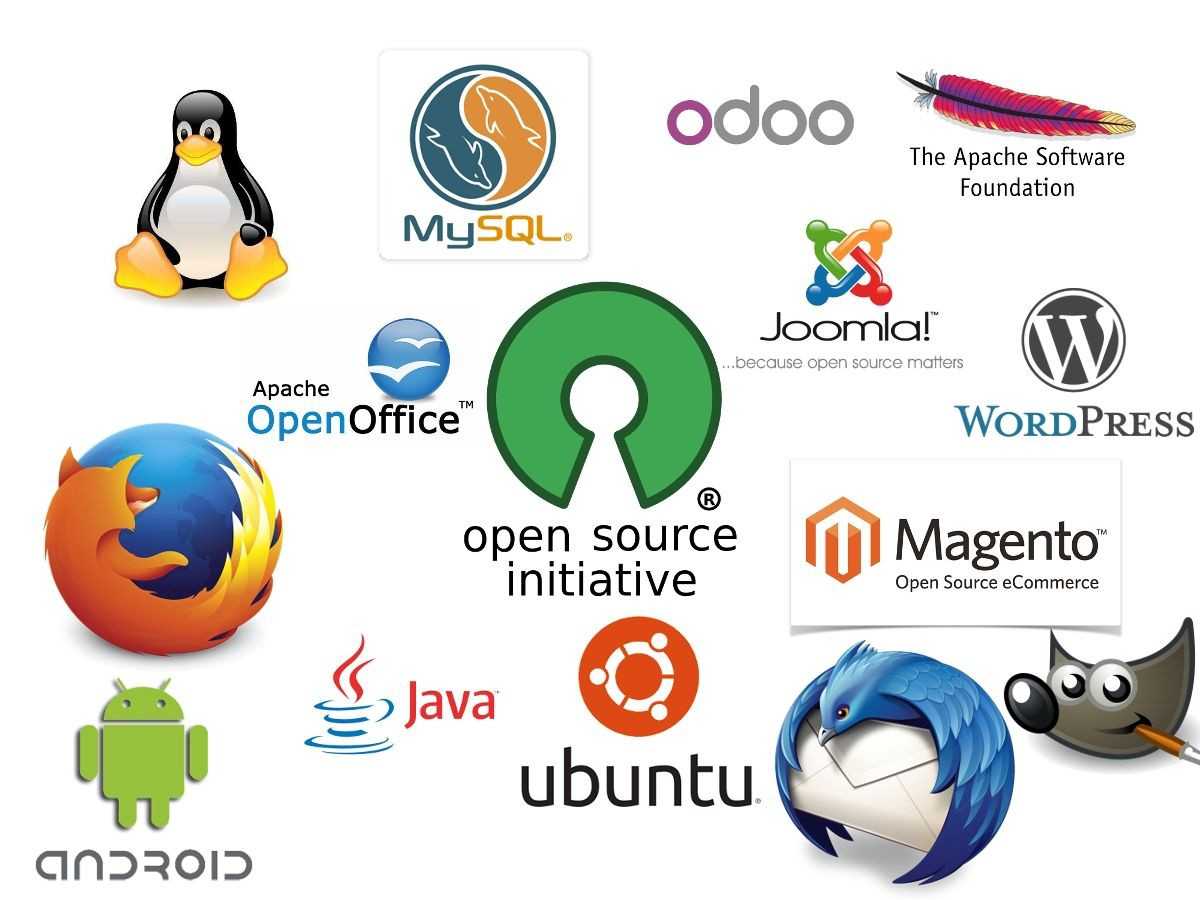 The open source we love is ultimately sharing knowledge and technology
Actually, though I’m saying this now, I worried most about these problems when I started seriously writing blog posts.
For example, my post JavaScript’s let and const, and TDZ — I worried a lot before writing it. When I wrote that post in June 2019, it was already long after JavaScript ES6 released, so I thought it might be too late to write about this topic now.
But after actually writing the post, I received messages from surprisingly many people saying it helped them. Though I thought this knowledge wasn’t particularly important, it helped someone.
Though I wrote that post 3 years after JavaScript ES6 released, people encountering JS for the first time necessarily existed even then, and my post was a big help to them.
Knowledge that each person knows versus doesn’t know must differ. Just because I know A or B doesn’t mean everyone else knows A or B. Developers are all people with expertise in different technologies depending on paths they’ve walked, making this knowledge sharing more valuable.
So don’t undervalue knowledge you already have — just try writing a post on that topic. Since writing posts requires reorganizing even knowledge you already know, it’s a good opportunity to deepen your own knowledge.
Avoid Overly Difficult Topics at First
This is a mistake I made when first writing blogs. Actually, I started seriously posting to my blog in June 2019 — about 3 months ago — but I first started writing posts around 2017. Back then I posted quite sporadically, the reason being “my eyes were too high for topic selection.”
At the time, I thought since many developers already run blogs, writing posts on too general topics wouldn’t stand out much and wouldn’t help PR much either.
So when choosing post topics, I chose topics others didn’t pick much — new technologies, things I thought had some difficulty level. Thinking back now, this was just bluffing. Just writing posts on difficult topics doesn’t make me actually valuable.
 I wanted to write posts that looked sophisticated
The problem is that topics difficult enough for others to think difficult are naturally difficult for me too. As you know, writing technical posts requires not just simple understanding of that topic but understanding deep enough to easily explain to others, so you invest more study time than normally spent studying.
In a way, you might think it’s good that writing posts forces you to study difficult topics. But this way, time investment for writing one post could become several weeks.
Since I tried writing posts only on topics requiring much self-study, I needed lots of research to write one post. As a result, time spent writing one post gradually increased while motivation for writing posts gradually dropped, ultimately preventing consistent post uploads.
What’s important when running a blog isn’t topic difficulty but developing the habit of consistently producing quality posts. Sure, occasionally choosing topics slightly more difficult than your level to leave your comfort zone is good, but trying to write all posts that way like me inevitably makes consistent posting increasingly burdensome.
Knowledge in fields you already know may feel easier compared to knowledge in unknown fields, but that knowledge can definitely be valuable knowledge helping others. Even if that knowledge is simply about variable declaration, to someone lacking variable declaration knowledge, it will be a big help.
So rather than insisting on difficult topic posts thinking “isn’t this too simple?” like me and wearing yourself out, I think it’s better to first try writing posts organizing fields you already know.
Read Lots of Non-Technical Books Too
When writing blog posts, sure topics matter, but you mustn’t forget the act of posting itself is fundamentally writing. No matter how good the topic, if you lack ability to unfold that topic engagingly, people won’t read.
For short posts like TIL (Today I Learned) for personal records, writing skills’ importance isn’t particularly emphasized. But for posts with some content value — expressing thoughts or deeply digging into specific technologies — the author’s writing skills become very important.
One of the most mentioned points in the topic of writing skill improvement is probably reading’s importance. Actually, developers do read many books regularly. But since most read technology-related books, it doesn’t really help develop the vocabulary characteristic of written language.
These books fundamentally focus on clear fact delivery like specific technology usage, so writing elegance isn’t an important point. Even when I authored VueJS-related books, I don’t think I particularly cared about writing style. Those who’ve authored technical books will relate — when writing such books, you’re too busy just verifying code errors and checking information accuracy to worry about style.
On the other hand, genres like essays or novels unfold thoughts or imaginary stories with long breath, necessarily using various methods to prevent readers from losing the story’s flow — diverse conjunction usage, concise and logical sentence structure, clear topic presentation, etc.
You could study separately to learn these methods, but we’re neither majors nor aspiring professional writers, so I recommend naturally learning through reading. Like how people who’ve eaten a lot cook well, people who’ve read a lot write well.
Introducing all those methods in this post would be beyond my knowledge and make the post too long, so I’ll talk a bit about written language, which I consider most foundational.
Get Comfortable with Written Language
Colloquial language we use when speaking normally versus written language used when writing have distinctly different characteristics. Colloquial language expresses the speaker’s thoughts in real-time, so word order changes or necessary expressions get omitted without much constraint by grammar.
Hey, should we play that game from last time? What was it? Overwatch… no, it was PUBG!
By the way, these characteristics of colloquial language aren’t limited to Korean — other languages like English are the same.
Colloquial language fundamentally focuses on communication itself rather than making perfect sentences, so whether Korean or English, grammar doesn’t particularly matter. Just like we don’t think about sentence structure when speaking normally.
Also, as you can see from the above example, colloquial language expressing thoughts in real-time frequently modifies previously said content. So writing in colloquial language can leave sentences unclearly completed with scattered writing style, breaking readers’ flow.
Sure, depending on genre, some writing utilizes colloquial language, but that’s a kind of skill for breathing reality into situations like depicting conversations — not a method used much in content like blog posts.
For these reasons, information-bearing writing like blog posts should be written in written language that cleanly completes single sentences. To continue long writing flow without breaking requires skills like clean and logical sentence composition and diverse conjunction usage — colloquial language has these elements relatively weaker or absent compared to written language.
But the problem is written language isn’t familiar because we don’t use it much in daily life. Various methods exist for getting comfortable with written language, but what I recommended among them is reading many non-technical books — especially books with topics expressing author thoughts. For example, essays.
However, the essays I’m talking about aren’t those books with short emotional phrases scattered throughout. I mean essays clearly structured — presenting topics in introductions, presenting empirical methods for those topics in bodies, presenting opinions based on that in conclusions. (Those essays required when entering foreign schools or companies)
 Factfulness, famous for recommendations by Bill Gates and Barack Obama
Though genre-classified as humanities, this topic can also be called essay broadly
Developers mostly write posts on topics like tutorials, technical analysis, dev logs. You might question why author thoughts matter for such technical posts, but ultimately, if a post’s topic is something you want to share with others, that post fundamentally must contain some author opinion, organization, or thoughts on that topic.
Also, since posts developers write often unfold topics through logical and empirical methods, I recommend such essays. Reading lots of writing similar in style to blog posts you’ll write gradually familiarizes you with grammar and words used in written language, composition unfolding topics, etc., greatly helping your own writing.
If you really don’t know where to start reading, try reading Factfulness that I mentioned above first. Since everyone has different tastes, I can’t say it’ll be interesting, but you’ll see how unfolding thoughts through logic proceeds.
Don’t Fear Feedback
Since blogs are content exposed to unspecified multitudes, fear about feedback from others might exist. Simply put, fear of getting cursed out. Sometimes you receive feedback for spreading wrong information, sometimes people whose thoughts differ from yours give feedback on those thoughts.
First I want to say you shouldn’t fear receiving feedback. Feedback isn’t simply opinions opposing my thoughts or opinions criticizing me — it’s cold evaluation viewing me through third-party eyes.
I naturally receive feedback when distributing and sharing posts. Sure, occasionally some people speak aggressively, but ultimately whatever the case, they just read my posts and expressed their thoughts about them, so nothing particularly offends me.
And such feedback mostly points out some error in my posts or mentions parts differing from my thoughts, so just accepting it thinking “ah, I see” is enough. Especially when people give feedback about wrong information, it’s actually beneficial — sitting still while finding and fixing errors.
 Feedback from OKKY's Hama on my recent sync/async post
Most detailed feedback I've received so far — extremely grateful
But human hearts can’t endlessly numb to being pointed out. Naturally it can be scary, embarrassing, sometimes offending.
Honestly speaking, every time I share posts, one corner of my heart doesn’t want criticism. Personally, sharing posts expressing my thoughts like this current topic makes me feel that more than when writing technical posts with clear answers.
For technical posts, feedback mainly comes when I wrote wrong information, so just acknowledging wrong information and fixing it works. But for posts with subjectivity like topics expressing own thoughts, occasionally people whose thoughts differ from mine give aggressive feedback.
But among feedback that made me think “isn’t this a bit harsh…?” when reading, only one person so far gave such rough feedback, and just ignoring such aggressive feedback is enough. Personally, separate from thoughts contained in that feedback, I don’t want to share thoughts with people who don’t know the value of words delivered to others. (Remember criticism and condemnation differ)
This baseless condemnation case is probably the cause of people’s feared “don’t want to get cursed out.” But the world doesn’t have as many weird people as you think. Most are people who read your posts and give feedback from somewhat disappointed hearts, from good hearts hoping you’ll develop more.
Rather, through such feedback you can hear diverse thoughts from diverse people, plus it’s a good opportunity to grow based on feedback, so don’t fear feedback too much.
Wrapping Up
I wrote this writing post from a heart hoping the ecosystem of developers sharing their thoughts would activate more. You’ve been feeling how valuable sharing thoughts and knowledge is every day using Google or Stack Overflow.
And such sharing occurs through various methods — open source activity, blog posts, presentations. Among these, writing is one of the most foundational means of showing your thoughts to others. Writing well fundamentally requires vocabulary and logic for proper sentence composition, so you can view writing as cultivating basic literacy for communication.
Sharing your thoughts with unspecified multitudes might feel scary, but as I mentioned above, don’t fear feedback. Through such feedback, you yourself can gradually grow, and it’s a good opportunity hearing others’ thoughts diversely, so there’s no real reason to fear.
I’ll say again — people pouring insulting condemnation enough to express as “getting cursed out” are fewer than you think. Even if you receive such condemnation, just delete that message and think of it as never happened. Originally, not getting entangled at all with weird people and drunk people is the less stressful method.
Most people giving feedback give it from somewhat disappointed hearts after reading posts, from good hearts, so don’t hesitate sharing your thoughts.
And if you don’t know where to start writing on your blog, first try carefully organizing what you know. I guarantee more topics than you think will emerge. And though I didn’t mention above, if you really can’t think of any topics to write, translating foreign posts you enjoyed reading is also a good method. (These posts are surprisingly popular too)
That’s all for this post for those hesitating to start blogs.